Casual Mode can unlock achievements in the current patched game. The 1.0.7 update explicitly enabled that support. Old launch-period discussions and reviews saying you must play Normal Mode no longer describe the current rule.
The official Steam page lists 38 achievements. Plan them by what they count: shop-wide sales, shifts, ingredient use, your own perfect drinks, employee recruitment or training, and sushi-specific tasks. This guide is checked through 1.0.61, on 3 October 2026. Official achievement targets.
Group goals by the work they require
Some targets grow while you run the restaurant, while others explicitly require your personal work. A shop becoming more automated does not change the wording of a personal-crafting target into a total-sales target.
Use the groups below to keep those decisions clear. The numbers are the conditions listed on Steam, not a predicted time to finish them.
| Task family | Listed milestones | What to keep separate |
|---|---|---|
| Milk tea sales | 100, 1,000, 5,000 and 10,000 drinks | Total sold is different from personally making perfect drinks |
| Milk tea shifts | 7, 30, 100 and 365 shifts | A shift goal is not a promised campaign ending |
| Milk tea ingredient use | 1,000, 10,000, 50,000 and 100,000 units | Ingredient use is different from the number of finished cups |
| Perfect drinks in one shift | Personally make at least 40, 50 or 70 | The wording requires your own work within one shift |
| Regular SSR recruitment | Recruit 1, 5, 10 or 20 | These targets say recruit; do not silently substitute promotion |
| Regular staff training | Train 1, 10 or 20 to maximum level | Check the current worker's level and target wording |
| Sushi shop capacity | Complete a shift with room for 30, 100 or 300 guests | This is the listed condition, not a blanket unlimited-expansion rule |
| Sushi decorations | Place 10, 30 or 100 | Decoration targets do not remove the need for usable routes |
| Fish and shrimp preparation | 800, 3,000 or 10,000 total | Preparation is distinct from personally making nigiri |
| Personal nigiri | Make 100, 888 or 2,000 yourself | Staff production is not stated as a substitute |
| Omakase service | Serve 100, 300 or 800 guests | Count completed service, not simply arriving guests |
Steam also lists the sushi-shop unlock target. Together these families account for the 38 listed achievements: four sales, four shift, four ingredient, three perfect-drink, four recruitment, three training, three capacity, three decoration, three preparation, three nigiri, three Omakase and one unlock target.
Casual Mode: use the updated rule
Launch-era players reported no achievement progress and questioned whether Cozy or Casual difficulty was excluded. 1.0.7 states that achievements can now be unlocked in Casual Mode. The same patch includes a fix for Steam achievements not unlocking properly for players joining a co-op game.
That change is the relevant current instruction when choosing a mode. Do not restart in another difficulty solely because an old review says Casual Mode is disqualified.
The update history also records achievement fixes in 1.0.5, 1.0.14 and 1.0.51. Multiple fixes do not establish that every historical save is automatically repaired, but they are a reason to check the installed version before diagnosing the problem from a launch-day post. Official update history.
Choose one personal goal alongside normal service
If your current target is a perfect-drink achievement, reserve a shift in which you will personally make drinks. The condition includes both your own work and a one-shift threshold. A large cumulative sales total alone does not demonstrate completion.
For personal nigiri milestones, track the work you do rather than assuming the restaurant's total production is the same counter. The achievement wording says personally make the specified number.
Choose a goal that fits the restaurant you are currently running. A beginner still learning the milk tea workflow can work toward cumulative shifts and sales while deciding when to attempt a personal-performance target. A sushi player can focus on its preparation or personal-crafting goals.
This is a suggested planning order, not a hidden requirement sequence. The official list does not say every family must be completed before the next one is available.
Recruitment and training are different goals
The regular-SSR objectives specifically say recruit, while the training objectives say train regular employees to maximum level. Do not assume promoting an employee necessarily satisfies a recruitment condition merely because the final rarity looks the same.
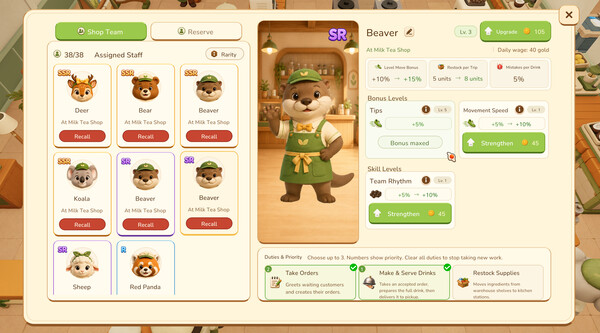
For the training route, the developer explains that promotion resets visible training levels while part of earlier gains carry over and prior investment raises the later cap. Read the staff development guide before promoting just to chase an achievement.
Use the achievement's current description and actual progress in your game to judge the next action. This guide does not give an unverified universal final level or a guaranteed shortcut using one particular rarity.
Recruitment spending also changes when the first 100 discounted pulls end. Plan the spending alongside the cash worksheet rather than making the target your only budget consideration.
Capacity and decorations still need a working restaurant
The capacity achievements describe completing a shift with room for the stated guest count. They should be read with the current expansion rules: 1.0.47 introduced limits for both available restaurant types.
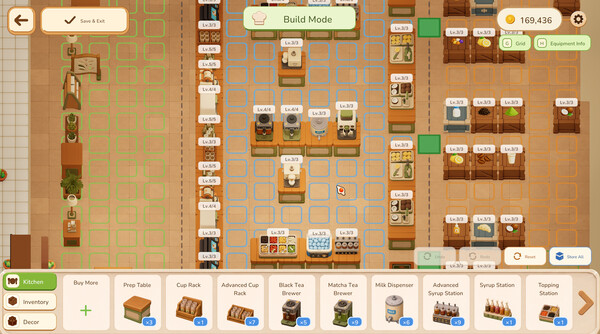
Plan within the expansion range shown in your current game. Having room for 300 guests and finishing the shift is the achievement condition; it does not remove the current building limit.
Decorations can also obstruct customer and employee routes. The developer's layout FAQ names blocked entrances, ordering areas and shelves as things to inspect. Place decorations while keeping the restaurant usable, then review the layout guide if saves or service fail.
Plan Omakase service as its own goal
The official achievements confirm Omakase service milestones. They do not provide a complete table of which dish every animal prefers or a guaranteed bonus for a specific recipe.
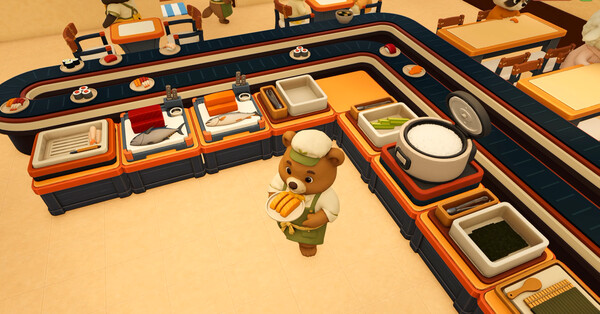
Use those targets as a service goal. The sushi guide covers staff, conveyor, service and patience rules that help you run the restaurant.
If you keep your own notes on guest preferences, also record whether the service actually finished. A preferred dish and a completed order are separate observations; the achievement asks for completed service.
Check missing progress in a sensible order
First, confirm the installed version and read the target exactly. Is it cumulative or within one shift? Does it say personally make, recruit or train? Many mistaken expectations come from treating different counters as interchangeable.
Next, check whether the visible action actually finished. In the sushi discussion, the developer explains that placing a dish on a serving counter ends preparation, while service completes the order. An unfinished delivery is not the same as finished service.
If you are joining another player's game, note that condition in the report. Co-op achievement triggering has its own patch history. Do not claim a universal host-only restriction from a prior bug report.
If the exact condition appears fulfilled and progress still does not update, record the version, target and relevant game state for the developer. Do not delete the save or alter files to force an achievement based on an unsupported internet workaround.
Demo progress and the full game
The developer says Demo progress should carry over to the full release in almost all cases. When a player did not see their save, the developer first asked whether they were using the same computer and Steam account.
Check those conditions before deciding you must start again. The reply is not a promise that every account, machine or save state transfers without trouble. It also does not provide a manual file-editing procedure.
The game's main loop is open-ended rather than a fixed campaign ending. The developer describes developing shops, unlocking content and building a team as the continuing goals. A shift milestone can give you a personal stopping point, but reaching it is not a verified ending trigger.
Make a short checklist for your next session
Select one ongoing target, one personal-action target if you want hands-on work, and one restaurant improvement that supports both. Record actual progress rather than guessing how long completion will take.
Keep achievement planning subordinate to a working service loop. Good paths, appropriate jobs and conveyor settings matter before adding extra decorations or spending the whole budget on recruitment.
When a target is complete, move to the next milestone in the same family instead of looking for a separate guide for every number. The conditions belong together here so you can compare them without losing the distinction between cumulative and personal work.
A closer look in game
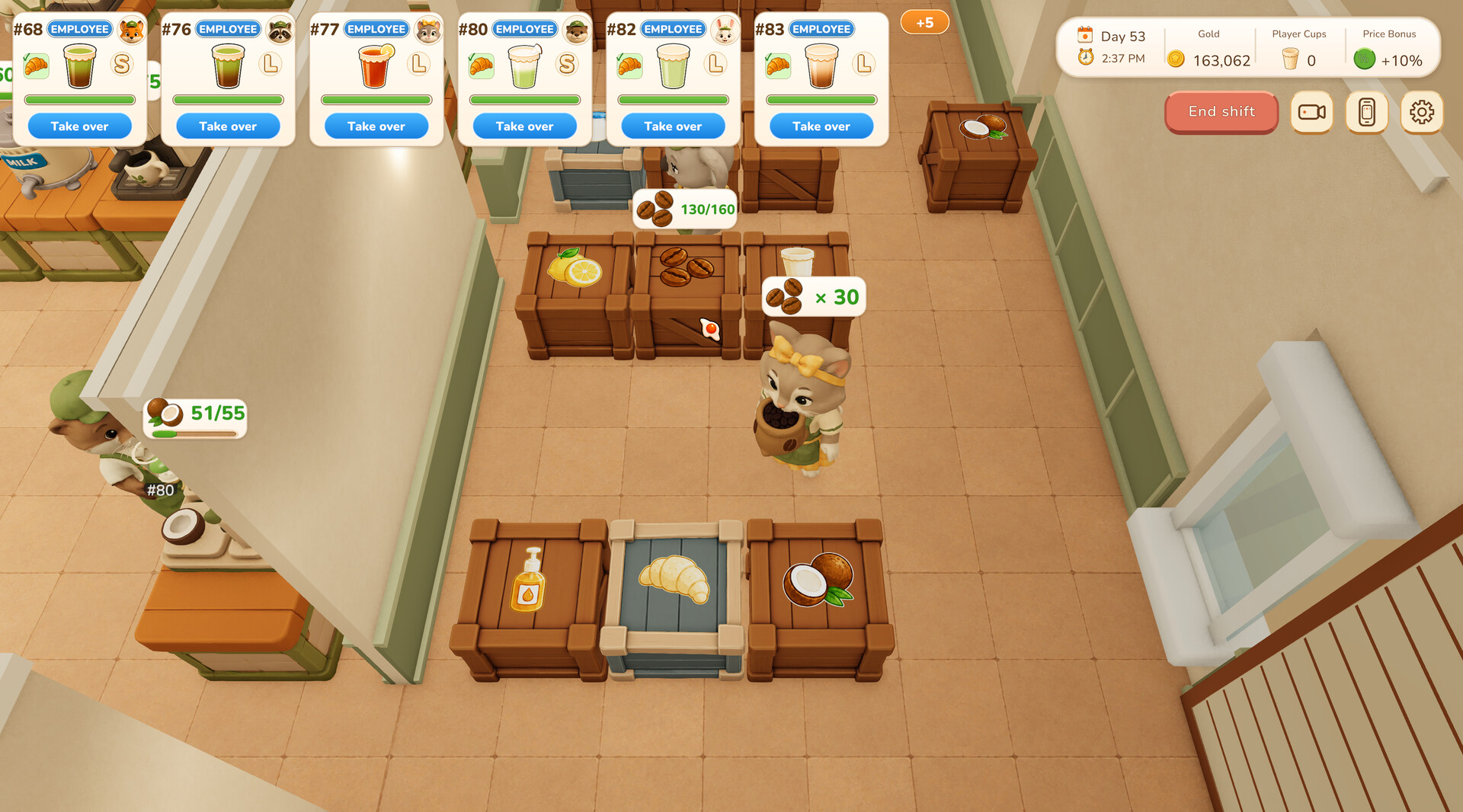
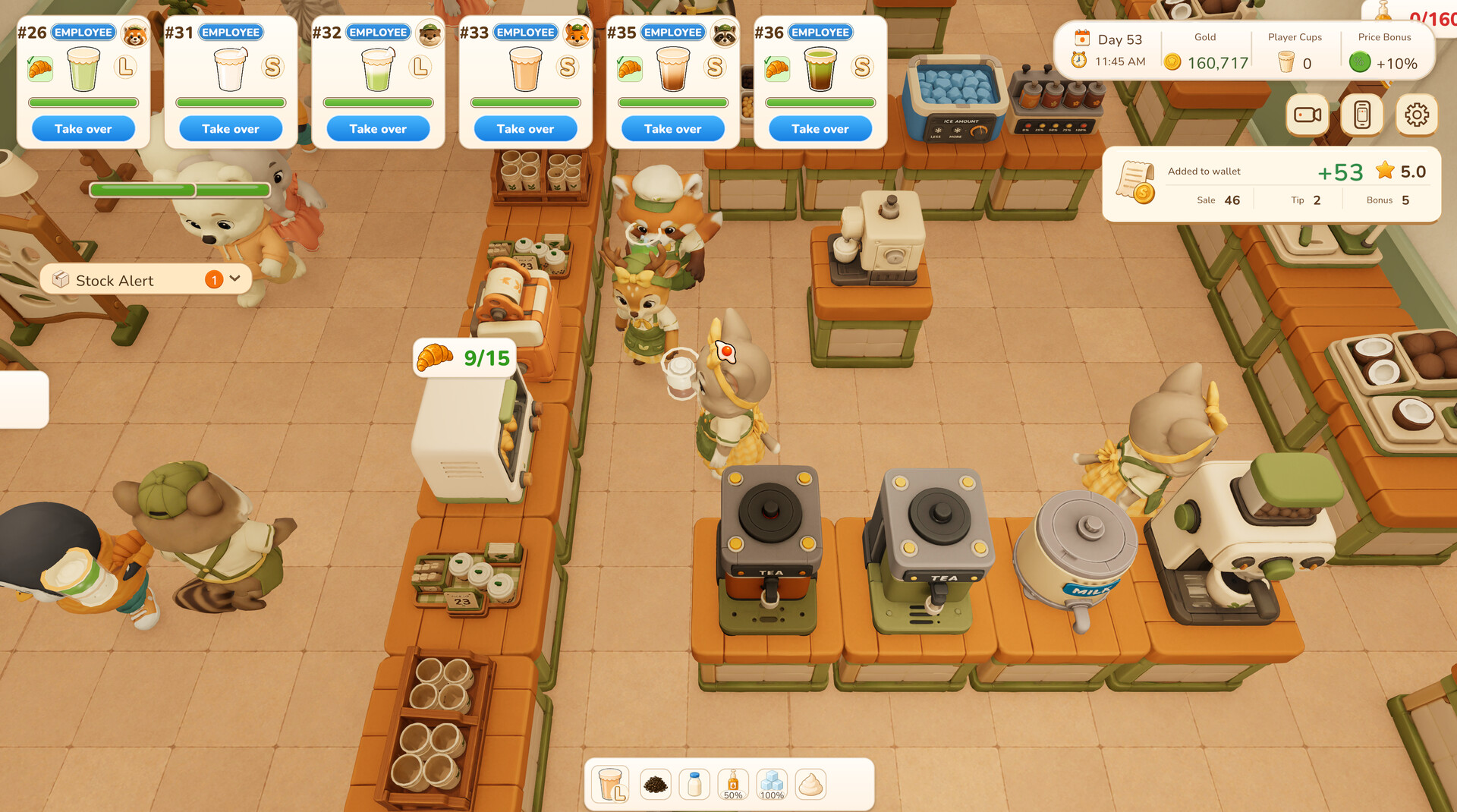
Official promotional screenshots show the setting and interface. Visible values may come from an earlier build; use your current game and the cited patch notes for limits and stats.

Official reading
These game pages, developer replies and patch notes support the mechanics discussed above. Planning examples are suggestions; use the values shown in your own game.